Essex-based Digital Marketing Agency providing services like SEO, Content Marketing, Social Media Management, Web Design & Development, Video Editing, Branding, UI/UX & Email Marketing
WEB


Development
Marketing Services
Graphic Design
Packages
Business websites have to do more than list services and a phone number. They need to show what you offer, give visitors confidence, and make the next step obvious. Design should match how your business works and what customers expect when they land on the site.
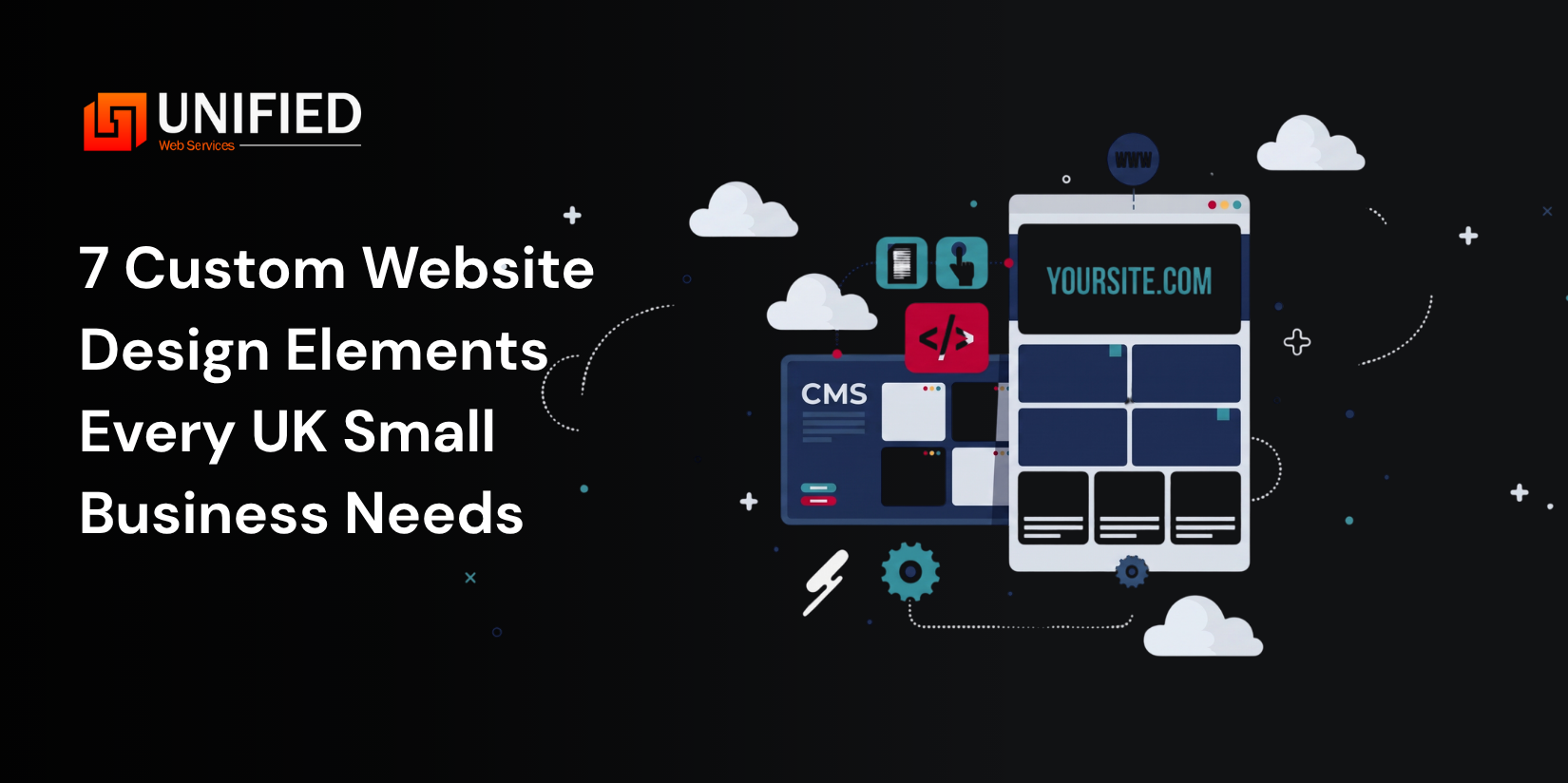
Custom web design brings together responsive layouts, clear navigation, practical features and consistent branding. For most UK small businesses the priority is simple: a site that brings in enquiries, presents the work professionally, and stays easy to manage as the company grows.
Choosing the right design approach starts with understanding the website's purpose. Rather than adding features for appearance alone, businesses should focus on the elements that make the customer experience clearer and everyday website management more practical.
Most small businesses run on limited time and budget. Confusing menus, outdated service pages or awkward forms can quietly turn people away. Even when the work itself is excellent, the website still has to communicate that value.
Ready-made templates can get you online quickly, but the structure rarely fits every business. Local tradespeople usually need clear service areas and easy contact options. Consultancies often need deeper explanations, case studies and proof of expertise.
Tailored approaches tie design decisions to real business goals. Each page has a reason to exist, key information stays easy to find, and the site works the way your customers actually interact with you.
An existing website may appear professional but still create problems for visitors or the team managing it.
Look for these common signs:
• Confusing navigation: Visitors struggle to find service information, contact details or important pages.
• Poor mobile usability: Text, menus, buttons or forms are difficult to use on smaller screens.
• Outdated branding: The website no longer reflects the company's services, identity or target audience.
• Limited flexibility: Adding pages, updating content or connecting business tools becomes unnecessarily complicated.
• Unclear customer journeys: Visitors can read about the business but cannot easily determine their next step.
These issues do not automatically require a complete rebuild. Reviewing the site's structure, usability and technical limitations can establish whether targeted improvements or a more extensive redesign would be appropriate.
Visitors should understand a website's structure without searching through multiple pages. When menus use vague labels or bury important information, potential customers may leave before finding the service they need.
Logical navigation structure groups related pages and gives priority to important information. Businesses with several offerings should organize them into meaningful categories instead of placing every page at the same level.
Practical improvements include using descriptive menu labels, keeping contact details accessible and making navigation consistent across desktop and mobile devices. Relevant internal links can also guide visitors between related service pages.
A website's structure should reflect the company's services, audience and business objectives, with a web design agency in Essex planning intuitive navigation rather than simply increasing the number of pages.
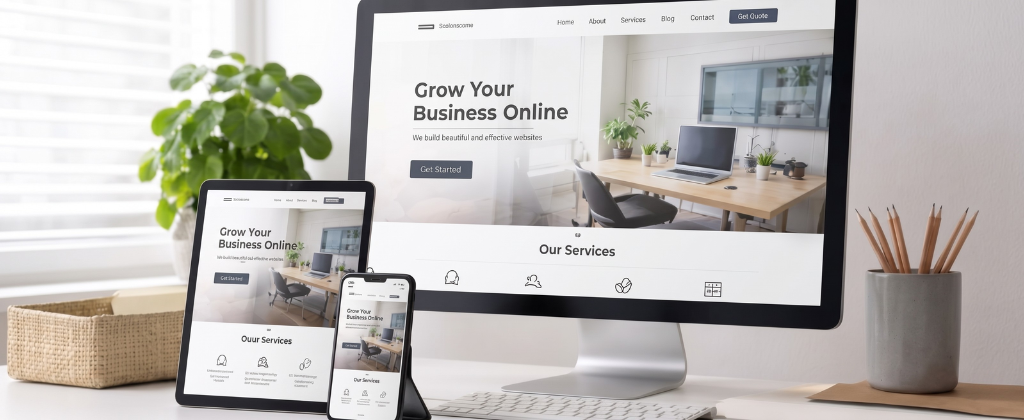
Customers may browse a business website using a mobile phone, tablet, laptop or desktop computer. Responsive design adapts page layouts to different screen sizes while keeping content readable and important actions accessible.
Effective mobile design involves more than shrinking a desktop page. Buttons need enough space for tapping, forms should be straightforward to complete, and images should resize without disrupting the layout. Visitors must also be able to access essential information regardless of their device.
Businesses should test key pages across different screen sizes before launch. Checking menus, service descriptions, enquiry forms and calls to action can reveal problems that might otherwise go unnoticed.
Every service page should answer three questions: what you do, who it is for, and what the customer can expect. Copying the same generic text across pages makes it hard for people to tell offerings apart.
Thoughtful structure gives each service the detail it needs: process, deliverables, examples, qualifications and a clear next step. Consultancies might need deeper explanations; local service providers might focus on coverage areas, booking options and how to get in touch.
When planning a new site, think about how each service page links into the wider navigation. Visitors need a simple path from overview to the details that matter to them.
Visual identity should make the business recognisable. Mixed colours, fonts, images and writing styles can make even a solid company look less organised than it is. Simple design systems keep everything coherent and make new pages easier to build later.
Practical points that make branding consistent:
• Colours and typography — use the same palette and fonts across every page so the site feels like one brand.
• Buttons and spacing — keep button styles, padding and layout spacing the same so interactions feel familiar.
• Imagery — choose photos and graphics that show the real work, products or services rather than generic stock shots.
• Tone and readability — keep writing style consistent and make sure branding never gets in the way of clear information.
Genuine project examples and accurate testimonials also add value. Consistency works best when it supports the message instead of competing with it.
Related blog: Ecommerce Website Design Checklist for UK Small Business Owners
Accessibility should be considered throughout the design process. Visitors may use keyboards, screen readers, browser zoom or other assistive technologies, so important information and interactive features need to remain usable.
Key considerations include readable text, sufficient colour contrast, descriptive form labels, meaningful alternative text for informative images and visible keyboard focus. Forms should also communicate errors clearly so users understand what needs correcting.
The official W3C announcement on WCAG 2.2 explains the formal recognition of these accessibility guidelines as an international standard.
Businesses should use recognized guidance to inform design decisions and test their websites in practice. Unified Web Services considers user experience as part of website planning, including how layouts and interactions affect the people using them.
Suitable UI UX design agency in Essex can align interface decisions with user needs, while accessibility testing can reveal barriers before the site goes live.
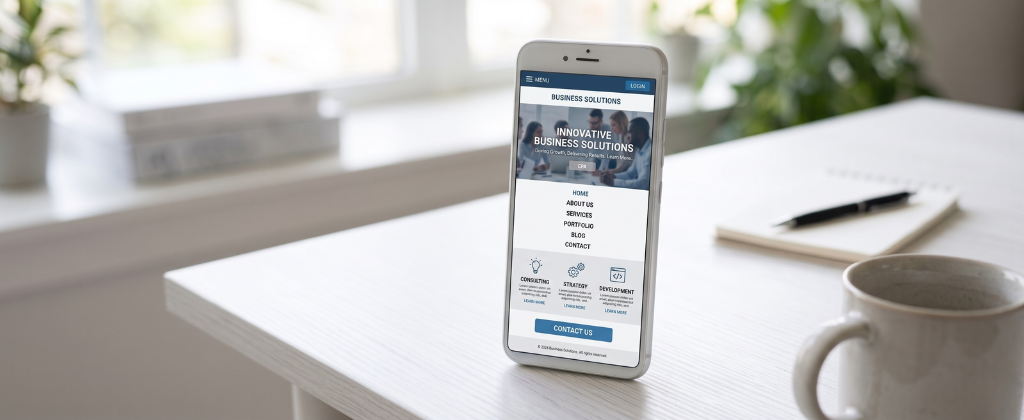
Websites have to stay practical after launch. Services change, new offerings appear, and the team needs to publish updates. If every small edit requires a developer, keeping the site current becomes a chore.
Suitable content management systems let authorized people update routine information while keeping page layouts consistent. Decide early which pages need regular changes, who will publish them, and whether new pages can reuse existing templates.
WordPress web agency Essex often works well for businesses that need an adaptable CMS, service pages and room to grow. Choose the platform for the job it needs to do, not simply because it is popular.
The same logic applies to integrations. Booking tools, enquiry forms, CRM systems and email platforms can save time when they fit existing processes. Before adding anything, weigh its purpose, ongoing cost, security and maintenance load.
Business website should be prepared for reasonable changes as the company develops. New services, additional locations, larger content libraries and third-party integrations can all affect the site's structure and performance.
Important technical considerations include:
• Logical page structures and descriptive URLs.
• Optimized images and efficient loading performance.
• Responsive layouts and functioning forms.
• Clear page titles, headings and internal navigation.
• Appropriate security measures, backups and software updates.
Search visibility should also be considered during planning. Relevant SEO agency in Essex can address technical and on-page factors that influence how search engines access and understand website content.
After launch, ongoing care still matters. Software updates, security patches and small technical issues can build up quickly if nobody is watching them. Reliable website maintenance agency in Essex support keeps these tasks on a regular schedule. That means fewer surprises, faster fixes when something goes wrong, and a site that continues to perform as the business grows.
Before building or redesigning a website, define its main purpose, whether that is generating enquiries, taking bookings or selling products. Prioritise customer needs and essential features to keep the project focused and within budget.
Review mobile usability, content management and technical limitations to identify areas that need attention. If the existing site has significant usability or structural issues, a website redesign agency can address these problems rather than simply changing the visual style.
Once priorities are clear, measure progress through enquiry completions, booking activity, page performance and content update times.
A well-designed website brings together clear navigation, responsive layouts, consistent branding and reliable functionality. When these elements work together, UK small businesses can communicate their services clearly, build customer confidence and create a stronger foundation for future growth.
Unified Web Services, a web design agency in Essex, provides website solutions tailored to business requirements, aligning design choices with customer expectations and long-term objectives. Our web design services offers a practical starting point for businesses planning a website around their specific needs.
For UK small businesses looking to establish a stronger online presence, working with Unified Web Services can help turn their website requirements into a clear design plan.