Essex-based Digital Marketing Agency providing services like SEO, Content Marketing, Social Media Management, Web Design & Development, Video Editing, Branding, UI/UX & Email Marketing
WEB


Development
Marketing Services
Graphic Design
Packages
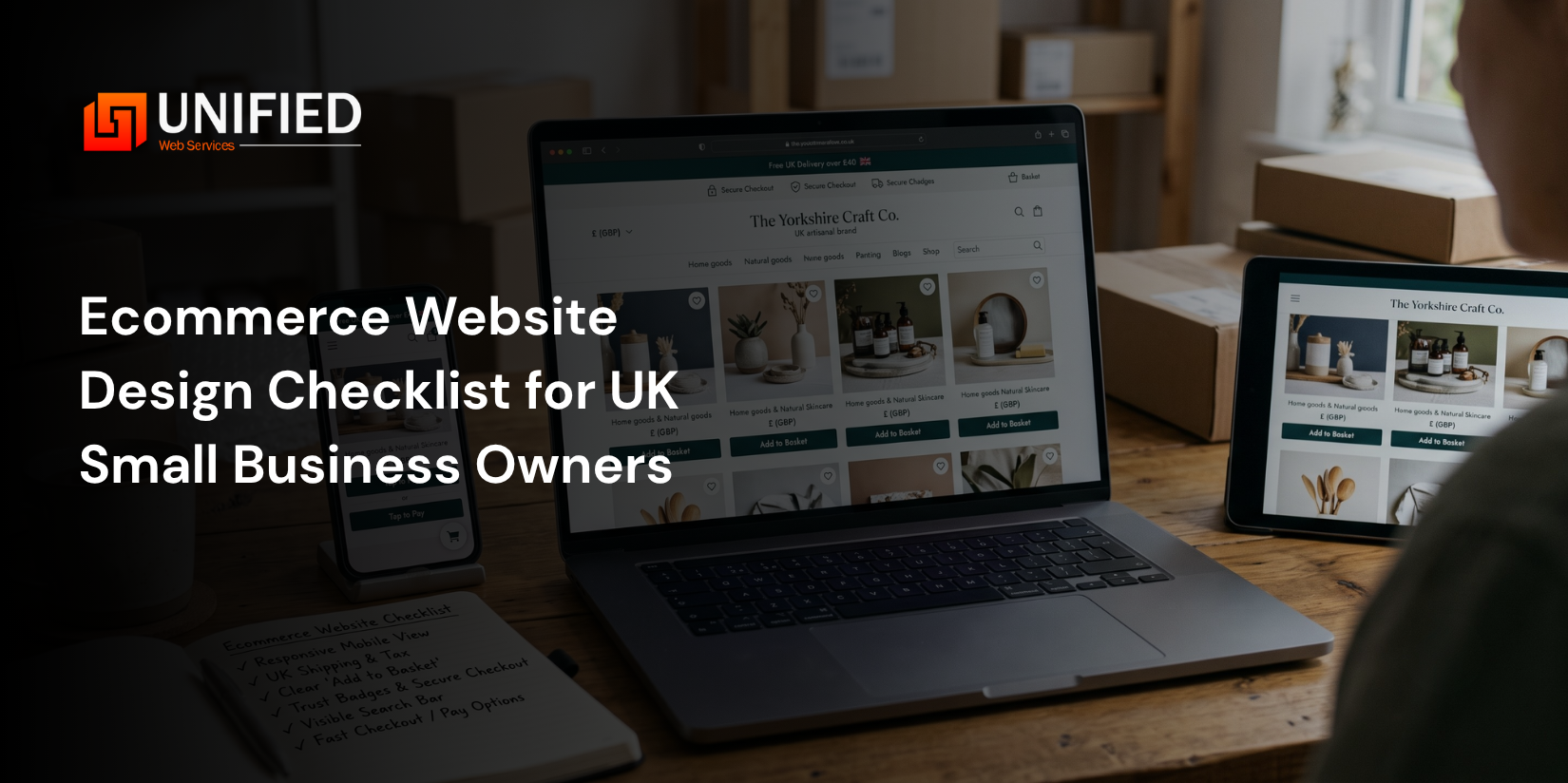
A shopper finds your product on Google, visits your online store, likes the product, but abandons the basket due to a complicated checkout process, unexpected delivery charges or a compulsory account sign-up. It happens every day and it costs UK small businesses sales they had already earned.
A well-planned Ecommerce Website Design can help prevent these problems by making every step of the shopping journey simple, secure and convenient. From mobile-friendly layouts and clear product descriptions to transparent delivery information and a smooth checkout process, every detail influences a customer's decision to buy.
For UK small business owners, understanding what makes an online shop effective is essential before launch. This checklist covers the essential elements to review before launching your ecommerce website and create a stronger foundation for long-term online sales.
A high-converting online shop helps a visitor find a product, trust the seller and pay without friction. UK shoppers expect clear pricing, delivery information, secure payment options, straightforward returns and a website that works well on their phone. They also expect product information that helps them make a confident decision without needing to contact the business first.
Good ecommerce website design brings these expectations together:
A well-designed store also supports your wider digital marketing. When your ecommerce website design is easy to use and technically sound, paid advertising, social media, email campaigns and organic search are more likely to deliver measurable results.
When these elements work together, browsers become buyers. Here is the essential checklist to review before you launch.
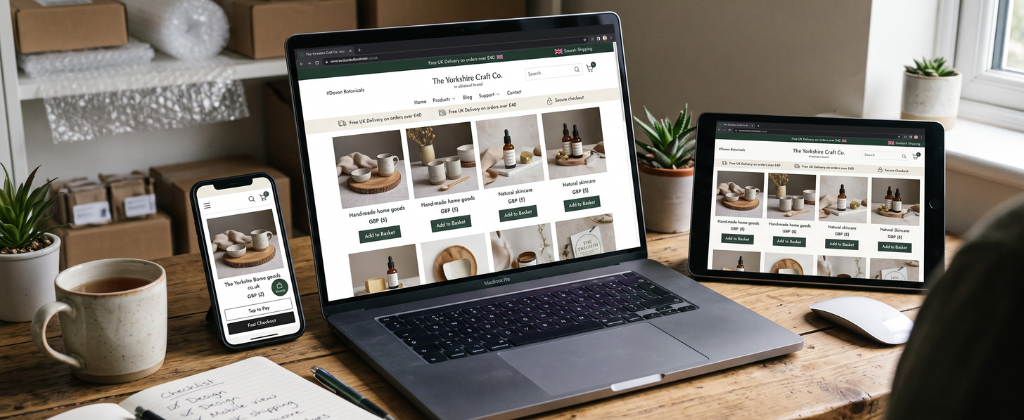
Use these eight essential checks to create an accessible, secure and search-friendly ecommerce store that supports sales, search visibility and customer trust.
Your ecommerce platform affects how easily you can manage products, process orders and grow your business. The right choice depends on your products, budget, technical requirements and future growth plans.
Popular options include:
If you prefer a WordPress-based setup, professional WooCommerce website design packages can provide a structured way to build a scalable store. For businesses that want a hosted solution with built-in ecommerce tools, Shopify website design packages may be a better fit.
Before deciding, check whether the platform supports your required payment gateway, delivery options, VAT settings, product variations and future integrations.
A well-organised layout helps customers understand your business and find products without unnecessary clicks. Avoid cluttered pages, confusing menus and distracting design elements that take attention away from products.
A consistent layout across your website makes shopping more predictable and reduces frustration.

A large share of UK online shopping now happens on smartphones and Google mainly uses the mobile version of your pages for indexing.
Mobile usability should be considered from the beginning, rather than treated as a final design adjustment. Read Google’s mobile-first indexing guidance, then test your shop on real phones.
Slow-loading pages can interrupt shopping and increase the likelihood that visitors leave before purchasing.
Review both mobile and desktop performance and pay attention to Core Web Vitals, including loading performance, responsiveness and visual stability.
Product pages should answer customers questions while helping search engines understand what you sell.
Avoid copying manufacturers descriptions across multiple products. Original, helpful information gives customers more value and helps distinguish your pages from competing stores.
For additional guidance, consult Google Search Central’s ecommerce SEO documentation.
Customers need to feel confident when entering personal details and payment information.
Never assume that an SSL certificate alone makes a website fully secure. Review your wider security arrangements and payment provider requirements before launch.
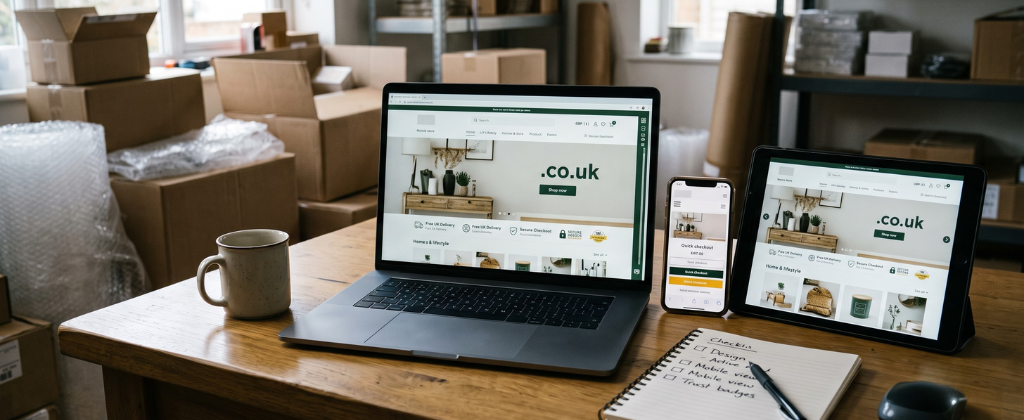
A complicated checkout can cause customers to abandon purchases even after finding the right product.
Improve checkout usability by:
Make sure customers can review their order before completing payment. A clear, predictable checkout experience helps reduce avoidable barriers to purchase.
UK shoppers often need reassurance before buying from a smaller business. Trust signals show that your company is genuine, reachable and reliable.
Use the data to identify where visitors leave and which products attract the most interest. Make improvements based on observed customer behaviour rather than assumptions.
Avoid these common mistakes to maintain customer trust, improve usability and support online sales.
Check your store against these problems before you go live.
Related Blog: 6 Ecommerce Website Mistakes Costing UK Businesses Sales
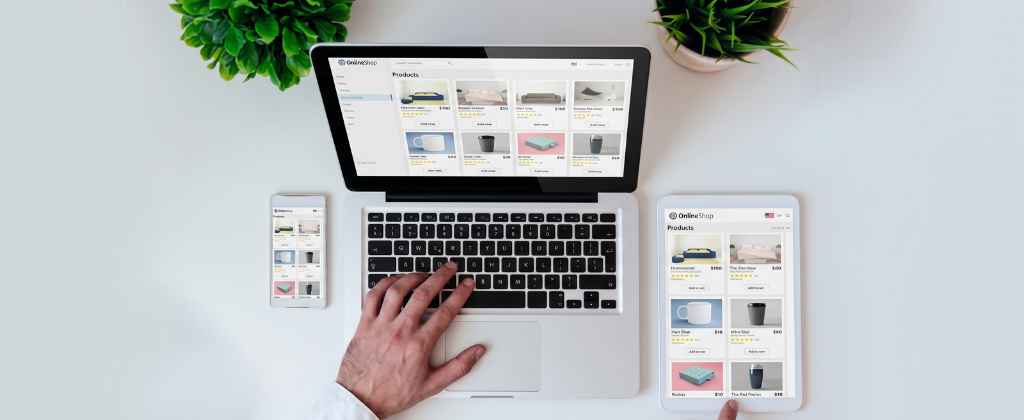
A successful launch depends on a few essential checks, including the right platform, a clear layout, mobile compatibility, fast loading, effective product pages, search engine optimisation, secure payments, a simple checkout and visible trust signals.
Before launch, Review the checklist, test every important page and product description, confirm delivery settings and check that your website works across different devices. Once your store is live, monitor traffic, sales and customer behaviour to identify opportunities for improvement based on real customer behaviour.
If you are planning a new store or improving an existing one, Unified Web Services, an ecommerce website design agency in Essex, can help UK businesses plan and develop a professional online store that combines professional design, SEO and user-friendly functionality. With expertise in WooCommerce and Shopify website design, the team creates ecommerce solutions suited to different business requirements and long-term growth goals.
Contact Unified Web Services to discuss your e-commerce website requirements, get a quote and start creating an online shopping store that helps your business attract customers and increase sales.