Essex-based Digital Marketing Agency providing services like SEO, Content Marketing, Social Media Management, Web Design & Development, Video Editing, Branding, UI/UX & Email Marketing
WEB


Development
Marketing Services
Graphic Design
Packages
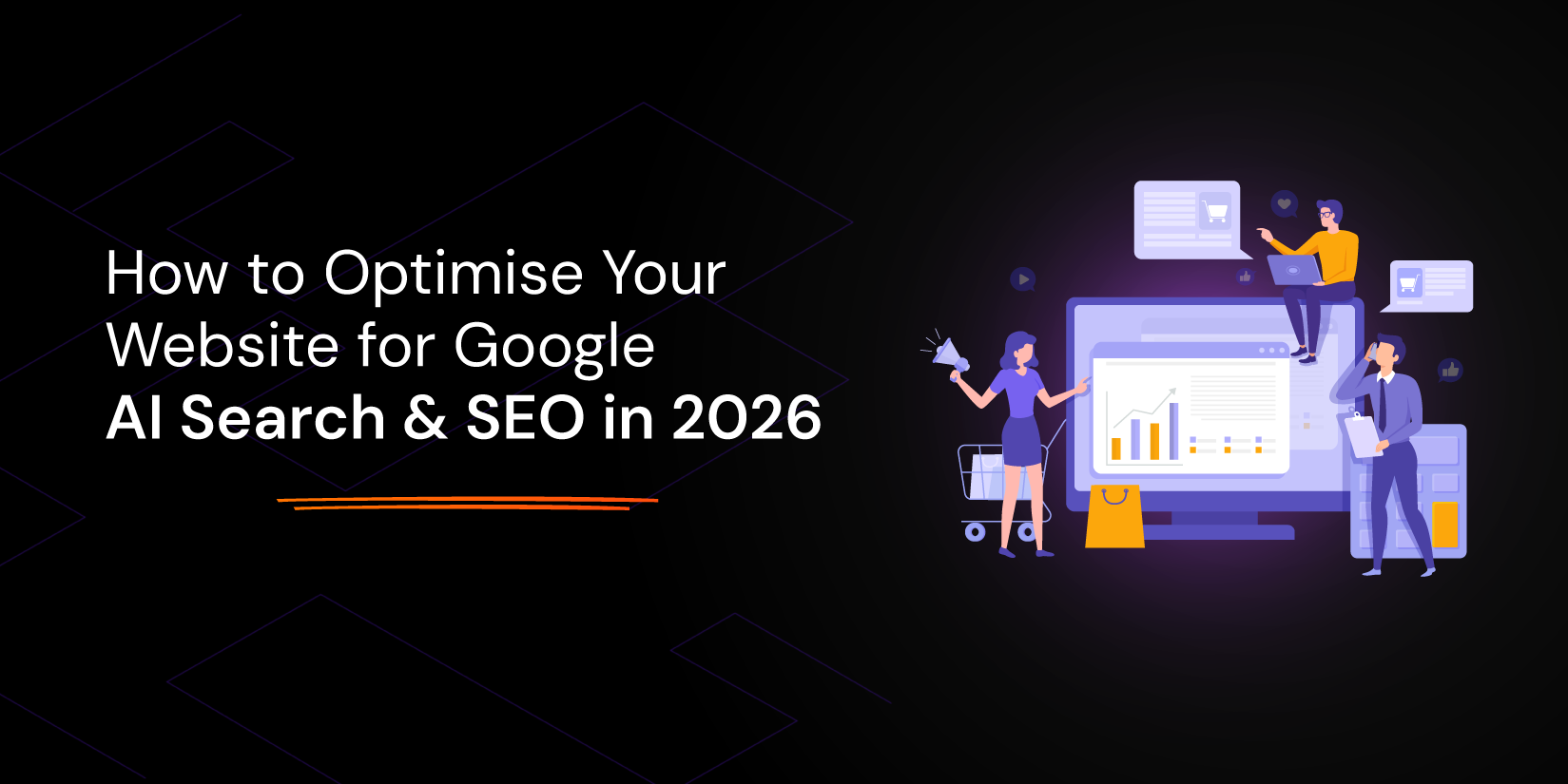
Search engines are evolving from listing links to delivering direct answers. AI-powered results, generative answers and conversational search now play a major role in how people discover businesses online.
Google now delivers answers through AI Overviews, while platforms like ChatGPT, Gemini and Perplexity summarise information instead of sending users to multiple websites. Businesses that adapt their websites for Google AI search + traditional SEO gain visibility, authority and more qualified leads.
Search engines now use traditional ranking signals with AI-generated results, which means websites must meet both algorithm requirements and conversational search intent.
This guide explains what Google AI Search is, how it differs from traditional SEO and how to optimise your website in 2026 so it performs well in search results and AI-generated answers.
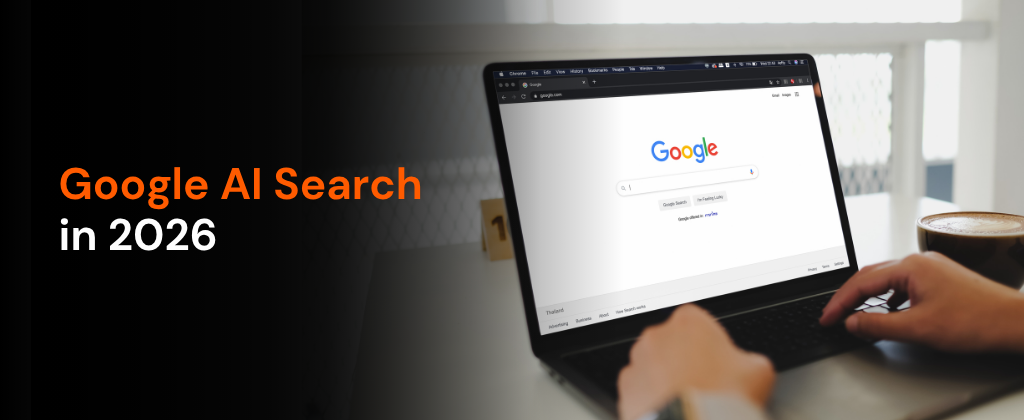
Google AI Search (also known as AI Overviews) is Google’s AI-generated summary shown at the top of search results, providing answers directly from trusted web pages before a user clicks any link. It uses large language models to understand user intent, not just keywords.
Previously, Google showed a list of ten blue links and allowed users to choose which page to visit, but now it reviews those pages, creates a summary and presents the answer directly, so your website needs to be a trusted source that Google’s AI can reference.
For businesses across the UK, the traditional approach of simply ranking on page one is not enough, because your content needs to be the answer, not just one of ten options.
"To optimise your website for Google AI Search in 2026, focus on clear answers, strong structure, search intent, trust signals, technical performance and human-first content."
Google's AI Overviews are powered by its Gemini model, which reads and evaluates content at scale. When someone types a query, Gemini identifies the most authoritative, clearly structured and contextually relevant pages, then generates a direct response with source pages usually cited below the summary.
For your website to be featured in an AI Overview, Google needs to trust your content and that trust is built through three key factors: expertise, clarity and relevance to the user’s specific question.
Related: Client Listed in Google Search Results!
Traditional SEO has focused mainly on keyword density, backlink volume and technical performance. While these elements still play an important role, they are not sufficient on their own.
Google's AI now prioritises content that demonstrates genuine knowledge, answers questions directly and addresses real user needs. Low-quality content filled with unnecessary keywords without offering useful information is unlikely to perform well in search results.
| Factor | Traditional SEO (Pre-2024) | AI-Optimised SEO (2026) |
| Keyword focus | Exact match keywords | Topical clusters and semantic intent |
| Content format | Long-form articles | Direct answers + supporting depth |
| Trust signals | Backlinks and domain authority | E-E-A-T (Experience, Expertise, Authoritativeness, Trust) |
| Search appearance | Blue links on page one | AI Overview citations + traditional results |
| User intent | Keyword matching | Contextual intent and conversational queries |
The change is significant, but it is not a reason for concern, as it offers a valuable opportunity for businesses that invest in high-quality content and genuine expertise to benefit from this new environment.
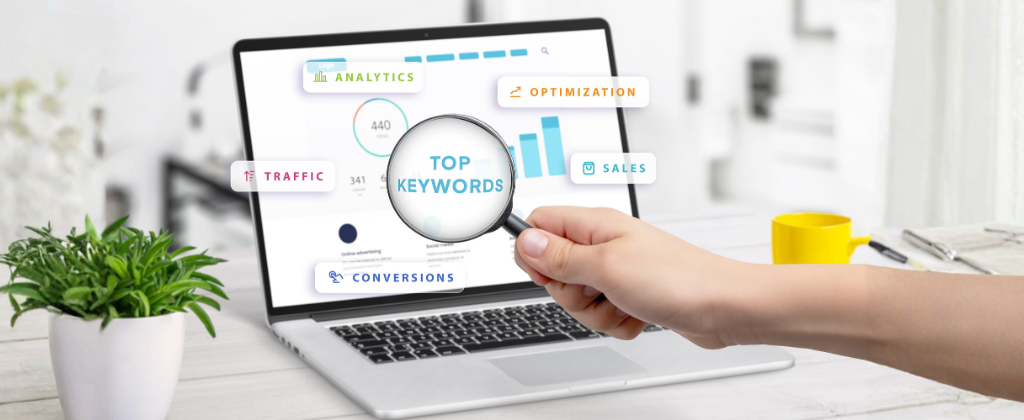
If Google's AI is generating answers in your industry but not using your website, the most common reason is that your content does not clearly answer specific questions. AI systems look for concise, factual, well-structured responses to defined queries.
Quick Fix: Add a dedicated FAQ section to your key pages. Write each question as your target user would naturally ask it and follow it immediately with a clear, two-to-three sentence answer, as this format is easier for AI systems to understand and reference.
This problem is becoming more common. You rank on page one but get fewer clicks because AI Overviews are answering the question before users scroll down. The solution here is to rank for queries where the user still needs to click through, typically transactional, local, or service-based searches where an AI summary is not enough.
Google's E-E-A-T guidelines require your website to show real-world experience and authoritativeness. Anonymous blog posts and generic content are not competitive. Adding author bios, case studies, client results and original insights makes a measurable difference.
SEO in 2026 is not about trying to influence search algorithm. It is about genuinely providing a reliable and relevant answer to the questions your customers are asking. When you focus on this approach, both Google and its AI systems are likely to reward your content.
Search visibility now influences AI answers, voice assistants, zero-click results and decision-making before users visit any website. Unified Web Services helps you manage these changes through traditional SEO, answer engine optimisation(AEO) and generative engine optimisation(GEO).
Unified Web Services is a professional SEO agency in Essex helping businesses across the UK combine traditional SEO with advanced AI-driven strategies to improve rankings in Google AI search, boost organic visibility and stay ahead of the competition. Our 2026 SEO approach combines creative content with strong technical expertise to perform well in both traditional search results and AI-powered search systems.
Whether you need a full SEO audit, local SEO, content strategy, or hands-on optimisation, Unified Web Services is here to help. We can audit your current content, implement the necessary technical SEO and ensure your brand is the answer users are looking for.
Book your 2026 AI Search Audit now and position your brand as the answer your customers are searching for.