Essex-based Digital Marketing Agency providing services like SEO, Content Marketing, Social Media Management, Web Design & Development, Video Editing, Branding, UI/UX & Email Marketing
WEB


Development
Marketing Services
Graphic Design
Packages

A website that performs well at launch day can lose customers within months if it is not regularly updated. Many UK businesses spend months building their website, only to treat it as finished once it goes live.
An outdated plugin, slow load times, broken links and expired security certificates can cost a business enquiries, sales and customer trust. That is why website maintenance should be an ongoing business task, not something addressed only when a website stops working.
Website maintenance covers everything from software updates and backups to speed checks and security monitoring to prevent from broken pages, security breaches and reduced search visibility. This practical website maintenance checklist covers the key areas UK businesses should review to keep their websites secure, reliable, user-friendly and ready for growth.
A well-maintained website is more than a digital brochure. Customers may use it to research your services, check your opening hours, submit an enquiry, make a booking or buy a product.
For UK companies, consistent maintenance supports:
Customers expect a fast, secure and mobile-friendly experience and Google considers site performance and trust signals directly in search rankings
Neglecting these areas can lead to lower rankings, higher bounce rates and lost enquiries that could have been prevented with routine checks.
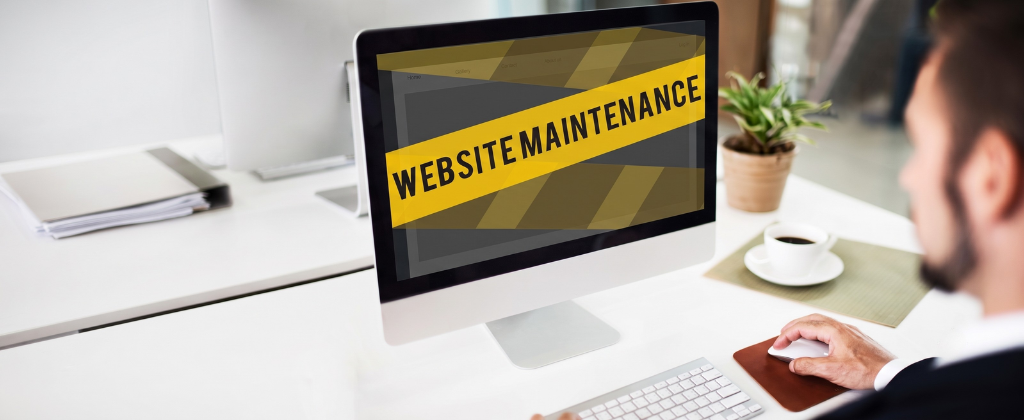
When a website is not maintained properly, repair costs can increase quickly.
Regular website maintenance services reduce these risks and ensures your website continues to work effectively for your business.
Use the following eight checklist as a practical starting point. The frequency will depend on your website, platform, traffic and business model, but every item deserves regular attention.
Each point covers a core area of website health, from technical upkeep to user experience.
Outdated software is one of the most common entry points for hackers on business websites, while regular updates can fix vulnerabilities that cybercriminals actively target.
Check for CMS, plugin and theme updates weekly
WordPress, Shopify and other content management systems release regular updates that patch security holes and fix bugs.
A regular backup provides a recovery option when something goes wrong. Website errors, failed updates, malware incidents or hosting problems can result in lost data or functionality.
Your backup routine should cover both your website files and database. For a business website, automated backups can make this process much easier.
Page speed affects both conversions and rankings. Google's Core Web Vitals measure loading speed, interactivity and visual stability and they directly influence where your site appears in search results.
Google's PageSpeed Insights and Search Console can help identify performance issues and areas for improvement.
Broken links frustrate visitors and waste the crawl budget search engines allocate to your site, which can slow down the indexing of new pages..
Review internal links regularly, particularly after redesigns, URL changes or content updates. A clean link structure improves navigation, trust and SEO health.
An expired SSL certificate triggers browser security warnings that send visitors straight back to Google or a competitor, damaging your website’s trust signals.
HTTPS is essential for a modern business website. Google recommends using HTTPS and browsers can warn visitors when a website is not securely served.

Content that was accurate and competitive a year ago may now be outdated, thin or overtaken by competitors. Regular content audits keep your website relevant to both users and search engines.
Monitor rankings, impressions and clicks in Google Search Console and update content when performance begins to decline.
The majority of UK web traffic now comes from mobile devices and Google uses mobile-first indexing, so it primarily assesses the mobile version of your website for ranking.
Google recommends a good overall page experience, with content that displays clearly and works well on mobile devices.
A single broken contact form or checkout error can quietly cost weeks of enquiries and sales before anyone notices.
A small technical failure at this stage can have a direct commercial impact.
There is no single maintenance schedule that suits every business. A small brochure website may need less frequent maintenance support than an e-commerce site that processes orders every day.
Businesses handling online payments or larger volumes of customer data usually benefit from more frequent checks due to increased risks.
A well-maintained website supports business growth by improving page speed, building trust through secure checkouts and keeping content fresh and relevant for search engines.
Many UK businesses handle basic updates in-house, but bringing in a professional Website Design Agency for ongoing website maintenance services can help ensure design, security, usability, technical performance and SEO are considered together.
Review the checklist today, identify the areas that need attention and make website maintenance a regular part of your business operations. Set calendar reminders for monthly and quarterly reviews and assign clear responsibility for updates, backups and audits.
If you need professional support, a reputable Website Design Agency can handle design, content and technical setup. Unified Web Services, based in Essex, works with UK businesses on ongoing website design, redesign, hosting and maintenance.
Use this plan to keep your site secure, fast and ready to support your next phase of growth.
Is your website getting the regular maintenance it needs? Contact Unified Web Services for a professional website audit and find out your site’s current performance and areas for improvement.