Essex-based Digital Marketing Agency providing services like SEO, Content Marketing, Social Media Management, Web Design & Development, Video Editing, Branding, UI/UX & Email Marketing
WEB


Development
Marketing Services
Graphic Design
Packages
A modern website is much more than an online brochure. It is your digital shopfront, sales representative and customer service assistant working 24/7.
The website has about three seconds to convince a visitor to stay. If it fails to make a strong first impression, many UK customers will return to the search results and choose a competitor instead. This single fact shapes what customers expect from a business website, whether they are booking a service, browsing a shop, or simply checking opening hours.
By 2026, customer expectations have shifted beyond a website simply looking presentable. People want speed, clarity, security, mobile-responsive and content that answers their questions without friction. Search engines have shifted too, rewarding sites that deliver genuine value to real users rather than pages built purely to rank.
Understanding the website features UK customers expect in 2026 is essential for business owners. These features can determine whether a site converts visitors or quietly loses trade every day.
Technology continues to evolve, and customer expectations evolve with it. Visitors expect websites to load instantly, work perfectly on every device and provide clear information without unnecessary clicks.
Search engines now favour websites that prioritise users, not just search algorithms. Google’s AI Overviews and other AI search tools favour websites that load quickly, present information clearly, and show genuine expertise. At the same time, UK Customers also expect smooth, frictionless experiences from every business, large or small.
This means a website must perform better than ever. It should load quickly, work well on mobile, protect personal data, and build trust within moments. Businesses that get this right can achieve stronger rankings, longer visits, and more enquiries, while those that fail to do so struggle to convert website traffic into sales.
Related Article: What Makes a High-Converting Website in 2026?
These are the features that consistently separate high-performing UK websites from those that lose visitors before they even start exploring the page.
Most UK customers now research, compare and book services on their phones before using a desktop. A website with tiny buttons, difficult navigation or text that requires zooming is often abandoned within seconds. Google also gives priority to mobile-friendly websites in its search rankings, so a poor mobile experience can reduce both your visibility and conversions.
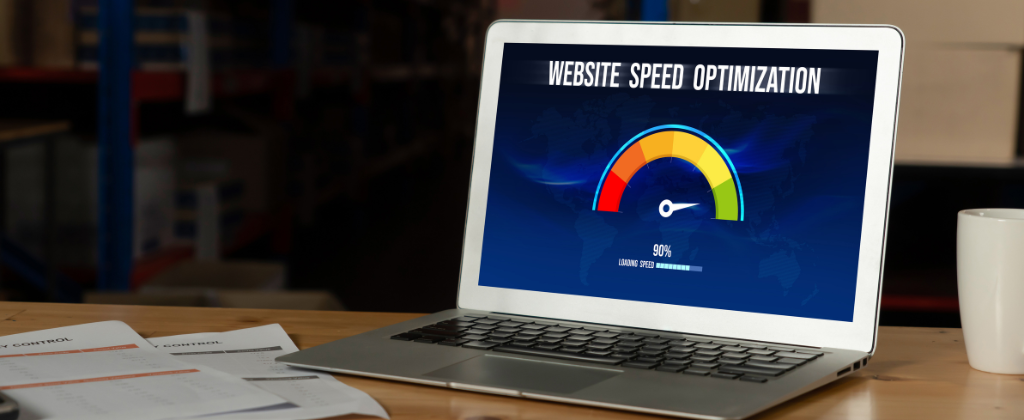
Page speed remains one of the clearest signals of a well-built website. Most visitors abandon a page that takes longer than three seconds to load and Google considers page speed as a ranking factor. Compressed images, clean code and reliable hosting improve website loading speed.
Customers should find what they need within two or three clicks. A logical menu structure, a visible search bar, and a clear path from the homepage to checkout or the contact form help visitors stay on your website longer and reduce bounce rates.
Security is non-negotiable for any site handling payments or personal details. SSL encryption, secure payment gateways and clear GDPR-compliant privacy practices reassure customers that their information is safe, which directly affects whether they complete a purchase or enquiry.
Accessible websites work for everyone, including people using screen readers or navigating with a keyboard. Good colour contrast, readable fonts, descriptive image alt text and full keyboard navigation make a website accessible for people with visual or motor impairments. Following the Web Content Accessibility Guidelines is good practice and helps more customers use the website comfortably.
Long, complicated forms can reduce customer enquiries. Customers expect to book a service, request a quote or send an enquiry in just a few simple steps, ideally without creating an account first. Every extra field or unnecessary click reduces the chances of completing the form.
Content written in clear, well-organised sections, supported by schema markup, gives search engines and AI tools the context they need to understand a page accurately. This structure improves the chances of appearing in featured snippets and AI-generated answers, as well as standard search results.
Genuine customer reviews, case studies, visible contact details, accreditations and local business information all build confidence quickly. For UK businesses in particular, showing real service areas and genuine testimonials helps visitors feel they are dealing with a credible, established company rather than an anonymous website.
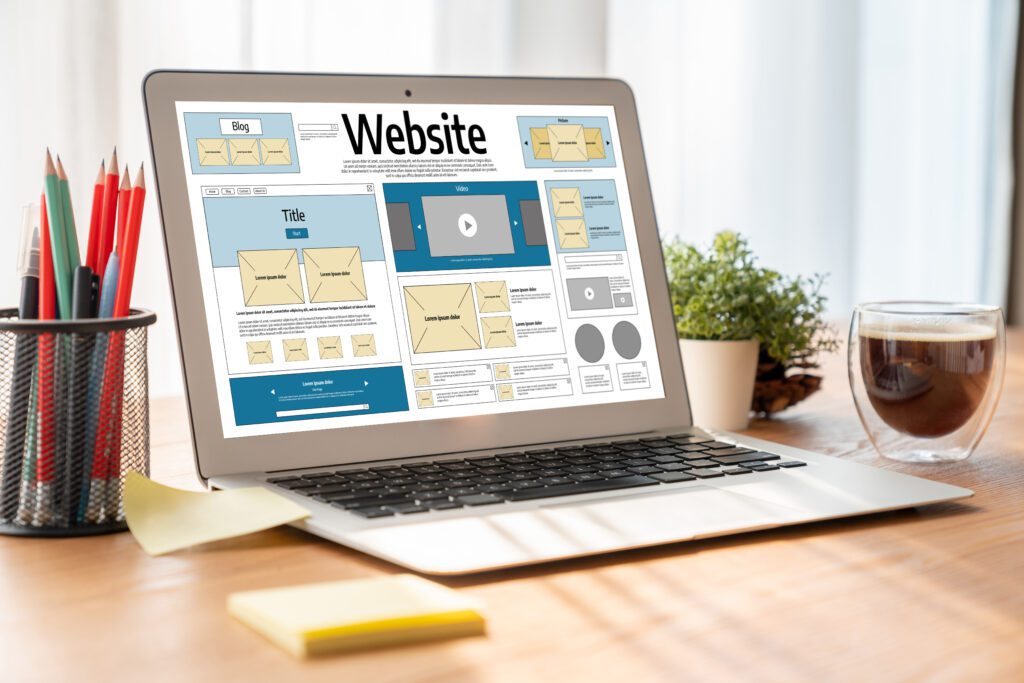
These features are closely connected to search performance. Google has confirmed that page experience, including website speed and mobile usability, influences search rankings. A website that loads quickly and performs well on mobile is more likely to rank above a slower website covering the same topic.
Structured, well-organised content also supports Google's E-E-A-T principles, which stand for experience, expertise, authoritativeness and trust. Clear authorship, accurate information, and a secure, professional website improve credibility. These qualities also benefit AI Overviews and LLM-based search platforms, which prefer content that is clear, well organised and easy to understand.
In short, the features customers want and the features search engines reward are largely the same thing. A website designed with users in mind is more likely to perform well in search results.
Bringing all these features together requires careful planning, the right platform, and design expertise that understands how UK customers browse and make purchasing decisions. This is where working with an experienced Website Design Agency makes a real difference, especially for businesses that want a website built to deliver results as well as look professional.
Unified Web Services is a professional Website Design Agency in Essex, creating fast, secure and mobile-friendly websites for businesses across the UK, including custom WordPress websites, ecommerce websites, Shopify and WooCommerce stores.
Whether your goal is attracting local customers, growing ecommerce sales or increasing online enquiries, investing in the right website features today creates a stronger digital presence in both traditional search and AI-driven results.
If your current website is missing any of these features, now is the right time for a review and Unified Web Services can help you bring it up to 2026 standards.
1. What is the most important website feature for UK customers in 2026?
Page speed and mobile-first design consistently rank as the two features that most affect whether a visitor stays or leaves, since most UK traffic now comes from mobile devices with limited patience for slow pages.
2. How fast should a business website load?
Most visitors expect a page to load within two to three seconds. Anything slower increases the chance they'll leave before the content has even appeared, which also affects how well the site performs in search results.
3. Do small businesses really need a mobile-friendly website?
Yes. With most UK browsing now happening on mobile devices, a site that isn't properly optimised for smaller screens will frustrate visitors and lose enquiries, regardless of how good the business or product is.
4. What makes a website feel trustworthy to visitors?
A combination of a secure connection, clear contact details, genuine reviews, and a professional, clean design. Visitors form an opinion within seconds, so these trust signals should be visible immediately rather than hidden on another page.