Essex-based Digital Marketing Agency providing services like SEO, Content Marketing, Social Media Management, Web Design & Development, Video Editing, Branding, UI/UX & Email Marketing
WEB


Development
Marketing Services
Graphic Design
Packages
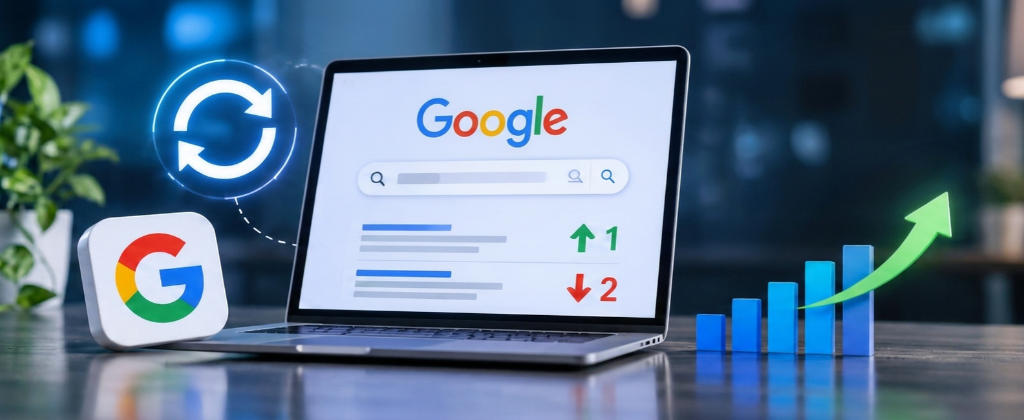
Google regularly updates its search systems to improve the quality and relevance of results. These changes can affect which websites appear when people search for businesses, products and services. The Google Core Update is a broad change to how Google ranks web pages, which can cause some websites to move higher or lower in search results. In simple terms, it changes which pages Google considers most relevant and useful for a particular search.
According to Google's official November 2026 update announcement, the latest rollout began on 10 November and finished on 24 November. For UK businesses, understanding these changes is important because a drop in search visibility can affect website visits, customer enquiries and opportunities to attract new customers.
Google's November 2026 Core Update began on 10 November and completed on 24 November. It applied globally and across all languages, meaning UK websites were included in the rollout.
A core update involves broader improvements to Google's ranking systems. It can change how the search engine evaluates and compares content, which means some pages may gain visibility while others move down the results. These changes do not necessarily indicate that a website has broken a rule or received a penalty.
For instance, a local business in Essex might notice that one of its service pages receives fewer clicks, while another page maintains its previous position. A competitor may have published more useful information, or the search results may have changed to better match what users want. Google does not identify one specific website type or industry as the target of a core update. Businesses should therefore avoid assuming that every change in traffic is caused by the update.
AI tools have made it easier for businesses to produce articles, service descriptions and website content. However, publishing more pages does not automatically create better search visibility.
The main concern is content that provides little original value. For example, a business might publish several location pages by changing only the town name while keeping almost every paragraph identical. Another website might publish AI-generated articles containing general advice without checking facts or adding practical experience. These pages may give visitors very little reason to choose that business or trust the information.
AI can still be useful when researching topics, organising information and preparing an initial draft. The important step is reviewing the content before publication. Businesses should add relevant service knowledge, accurate details, genuine examples and clear explanations that answer the reader's needs.
Local roofing company, for instance, could explain common roofing problems affecting properties in its service area, describe the inspection process and clarify when repairs may be necessary. That information is more useful than another generic article about roofing services. Google's guidance on generative AI content makes an important distinction: using AI is not automatically against its guidelines, but producing large amounts of low-value content to manipulate rankings can create problems.
Local customers often search Google when they need a nearby service, such as a solicitor, electrician, personal trainer or web design agency. Their searches may include a town, postcode or specific service requirement.
AI Overviews can change how people interact with search results by presenting an AI-generated summary for some searches. A user may receive an initial explanation before deciding whether to visit a website, compare businesses or contact a provider. This makes it important for local businesses to publish clear, relevant information rather than relying only on broad informational articles.
For businesses serving Essex and London, Unified Web Services recommends focusing on useful local information rather than creating location pages simply to target more towns. Effective local pages should:
• Explain the actual services available and the areas covered.
• Describe what customers can expect when choosing the business.
• Provide useful details that make each location page genuinely relevant.
• Avoid repeating almost identical content across multiple town pages.
Google Business Profile information also deserves attention. Businesses should:
• Keep business names, addresses, opening hours and contact details accurate.
• Update service information whenever business details change.
• Encourage genuine customer reviews and respond to them professionally.
• Make sure potential customers can understand what the business offers.
Google explains that local results mainly consider relevance, distance and prominence. Its local ranking guidance provides practical advice on improving business information and local visibility.
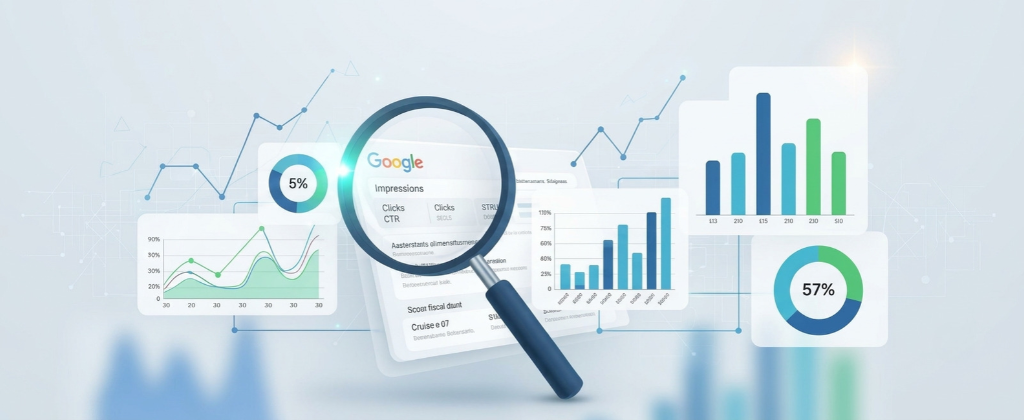
Before changing website content, businesses need to understand what has actually happened. Google Search Console provides useful information about how pages appear in Google Search and how people interact with those results.
Start by comparing performance before and after the November update. Since the rollout ended on 24 November, Google recommends waiting at least a full week after completion before analysing the post-update data. This allows a more meaningful comparison rather than relying on early fluctuations.
Pay attention to four main measurements:
• Clicks: The number of visits received from Google Search. A decline may indicate reduced visibility or fewer people choosing the website.
• Impressions: How often website pages appeared in search results. Lower impressions may indicate changes in visibility or search demand.
• Click-through rate (CTR): The percentage of impressions that resulted in clicks. A change may point towards differences in search presentation or user interest.
• Average position: The average ranking position of a page or query. Compare this with clicks and impressions rather than treating it as a complete measure of performance.
Next, review individual pages and search queries. If a service page has lost visibility, check whether its content still answers the searcher's needs and whether competing pages provide clearer information.
Also consider seasonal demand, changing customer interests, technical problems and search result changes. A fall in traffic does not always mean that the website needs a complete content rewrite. Businesses that need a more detailed review can work with Unified Web Services to identify affected pages, examine search performance and understand which improvements deserve priority. SEO agency provides further information about its SEO support.
Debugging Search traffic drops also explains how to investigate changes using Search Console and Google Trends.
Once the affected pages and search queries have been identified, businesses can focus on improvements that make the website more useful. Recovery is not about making every possible SEO change at once. It is about addressing the problems that matter most to visitors.
• Review pages that contain outdated information, repeated explanations or very little useful detail.
• Update information that is no longer accurate and remove unnecessary sections that do not contribute to the reader's understanding.
• If two articles target almost identical search intent, consider whether they should be combined into one stronger resource.
• Do not merge pages simply because their rankings have changed. Assess each page according to its purpose, audience and existing value.
• For local service pages, include meaningful details about the actual service and the locations covered. Avoid publishing multiple pages that only replace one town name with another.
• Explain what the company does, who its services are suitable for and what customers can expect.
• Add genuine examples of completed work, relevant team experience and practical answers to common customer concerns where appropriate.
• Keep contact details, business information and service descriptions accurate.
• Make sure case studies reflect real projects rather than invented results.
• Use structured data accurately to describe information already available on the page. It can help search engines understand content, but adding schema does not guarantee higher rankings.
• Review the website on mobile devices and check whether important pages load properly.
• Make sure navigation works clearly and visitors can find contact information without difficulty.
• Check Core Web Vitals, broken internal links, indexing issues and important pages that may be difficult for search engines to access.
• Fix problems that affect actual website performance instead of making technical changes without a clear reason.
Google has also pre-announced a December 2026 Core Update, scheduled for release in December. The announcement describes improvements to how Google understands and ranks relevant content, including longer and more complex questions, as well as personalised results for users who enable personalisation. UK businesses can monitor the Google Search Status Dashboard for official rollout announcements and status changes. Rather than making rushed changes in anticipation of another update, businesses should continue improving their content, website experience and technical foundations.
Change in Google rankings does not always mean a website has been penalised or that its existing SEO strategy has failed. Following the November Google Core Update, UK businesses should focus on understanding their search performance, identifying affected pages and making improvements that genuinely benefit visitors. Unified Web Services believes that informed SEO decisions and consistent website improvements are more valuable than rushed changes made simply to regain rankings.
If your website has experienced changes in organic traffic or search visibility, Unified Web Services can review your website, identify areas that need attention and recommend a practical SEO strategy. Contact the team today for a Free SEO Audit and professional guidance from a digital marketing agency in Essex to improve your website's long-term search performance.