Essex-based Digital Marketing Agency providing services like SEO, Content Marketing, Social Media Management, Web Design & Development, Video Editing, Branding, UI/UX & Email Marketing
WEB


Development
Marketing Services
Graphic Design
Packages

Great product, competitive price and strong marketing can still lose potential sales if your ecommerce website is difficult to use. A visitor can find the right product, check the price and still leave without completing the purchase. The issue is not the product or the marketing.
A slow website, confusing navigation, difficult mobile browsing or an unclear checkout can quickly cause potential customers to leave without completing their purchase.
For any UK business selling online, an Ecommerce Website needs to do more than display products. It should make browsing simple, answer customer questions, build trust and guide shoppers smoothly towards checkout. Small website problems can have a noticeable effect on conversions, particularly when customers can easily compare businesses online.
This guide explores six common ecommerce website mistakes that can cost UK businesses sales, along with practical ways to identify and fix them.
Ecommerce Website design directly influences how easily customers can find information, compare products and complete a purchase. A visually attractive website is useful, but its design should also focus on usability, performance and converting visitors into customers.
Several factors can influence whether a visitor continues shopping or leaves:
Good ecommerce design removes obstacles between product discovery and purchase.
Some website issues are easy to identify, but others become clear only when technical, user experience and conversion issues start affecting your website performance.
Professional Ecommerce Website design and development can be useful if your business is experiencing more than one of these signs.
Addressing these issues together can create a smoother customer journey rather than treating each problem separately.
Related Blog: Is Your Website Losing You Sales? A 2026 UK Business Checklist

Website Speed is a fundamental part of the online shopping experience. Shoppers expect a page to load almost instantly and if it takes more than three seconds, they simply leave.
Slow load times also hurt your Core Web Vitals, which affects how Google ranks your pages in search results. A slow ecommerce website quietly damages both conversions and rankings at the same time.
Common improvements include:
Google's PageSpeed Insights can help identify specific performance issues that need attention.
Most UK shoppers now browse and buy products from their phones, making a mobile-friendly website essential for online businesses. Small buttons, difficult-to-read text and poorly designed menus can make mobile shopping frustrating. A poor mobile experience can cause visitors to leave your website before completing a purchase and reduce sales.
Key fixes:
UK ecommerce businesses should test purchase journeys across different screen sizes to identify mobile UX issues that responsive design alone may not address.
Customers should be able to find the product they want without clicking through several confusing menus. Poor navigation can create confusion, particularly for ecommerce websites with large product ranges, multiple categories or different product variations.
A clear navigation structure helps both users and search engines understand how products are organised. UK ecommerce businesses should keep menus simple, use descriptive category names and make important pages easy to access.
A well-structured navigation system can help visitors reach relevant products faster while creating a clearer website structure for search engines.
Cart abandonment is one of the biggest revenue leaks in UK ecommerce and checkout friction is a leading cause of it. Forcing shoppers to create an account, asking for unnecessary details, or hiding delivery costs until the final step all give people a reason to stop.
Unexpected charges appearing late in checkout are one of the most common triggers for a shopper to leave your website.
Key fixes:
Make delivery costs and estimated delivery times clear, provide suitable payment options and allow customers to understand their progress.
Online shoppers cannot touch or try a product, so your description and photography must do the work. Generic descriptions, missing specs and stock photography reduce confidence and increase returns.
Websites with original photos, clear benefits and detailed descriptions can improve engagement and conversion.
Key fixes:
A clear product description helps customers understand what you offer while making it easier for search engines and AI-powered systems to understand your products.
Customers need reasons to trust an ecommerce business before entering payment details. A website without visible reviews, contact information, returns information or clear business details can create unnecessary hesitation.
Trust signals can include genuine customer reviews, ratings, secure payment indicators, clear delivery information and transparent returns policies.
Calls to action should also be specific. Buttons such as Add to Basket, Buy Now or Continue to Checkout tell customers exactly what happens next.
Trust and clarity should be present throughout the buying journey, not added only at checkout.
Related Article: Shopify UK guide on common ecommerce mistakes
A simple audit can reveal many conversion and usability problems before you invest in major changes.
The goal is to identify friction from the customer's perspective rather than simply checking whether every page technically works.
Address performance, mobile UX, checkout flow, content quality and trust to lift conversions and reduce abandonment.
A better ecommerce experience removes barriers, strengthens customer trust and makes purchasing simpler across desktop and mobile devices.
Fixing key issues such as slow speed, poor mobile usability, difficult navigation and checkout can create a smoother shopping experience. Regular testing and customer data can help identify further improvements in the website. For businesses planning a larger redesign, working with an experienced Ecommerce Website design team can help to bring technical SEO, UX, performance and conversion considerations together from the beginning.
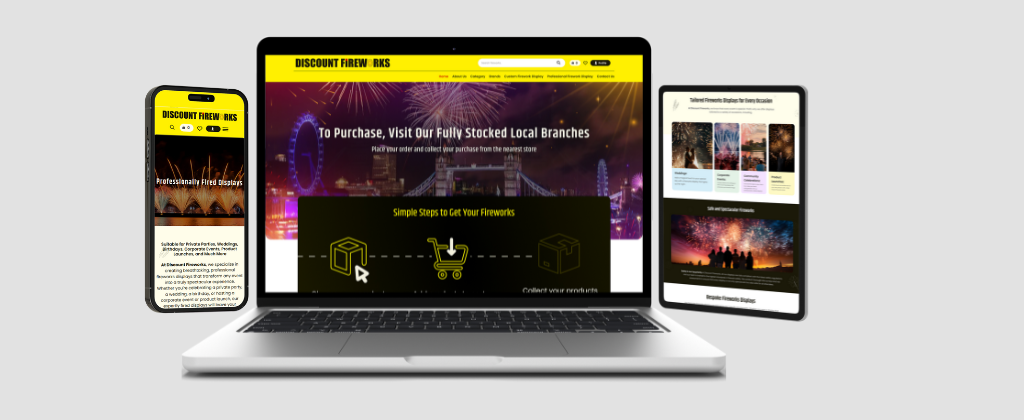
A successful ecommerce website should be fast, easy to navigate, mobile-friendly and trustworthy, helping UK businesses turn more visitors into customers.
Unified Web Services, a web design agency in Essex, provides modern, user-friendly and SEO-focused ecommerce solutions using platforms such as WooCommerce and Shopify. The team can help audit friction points and implement changes that support sales and search visibility.
Book a free ecommerce website design audit with Unified Web Services and get a clear plan to improve speed, mobile experience and checkout conversion.